
The Importance of Mobility in Your Golf Swing
Discover the golf mobility exercises that directly impact your swing — and why improving hip and thoracic rotation is the fastest path to better ball striking.
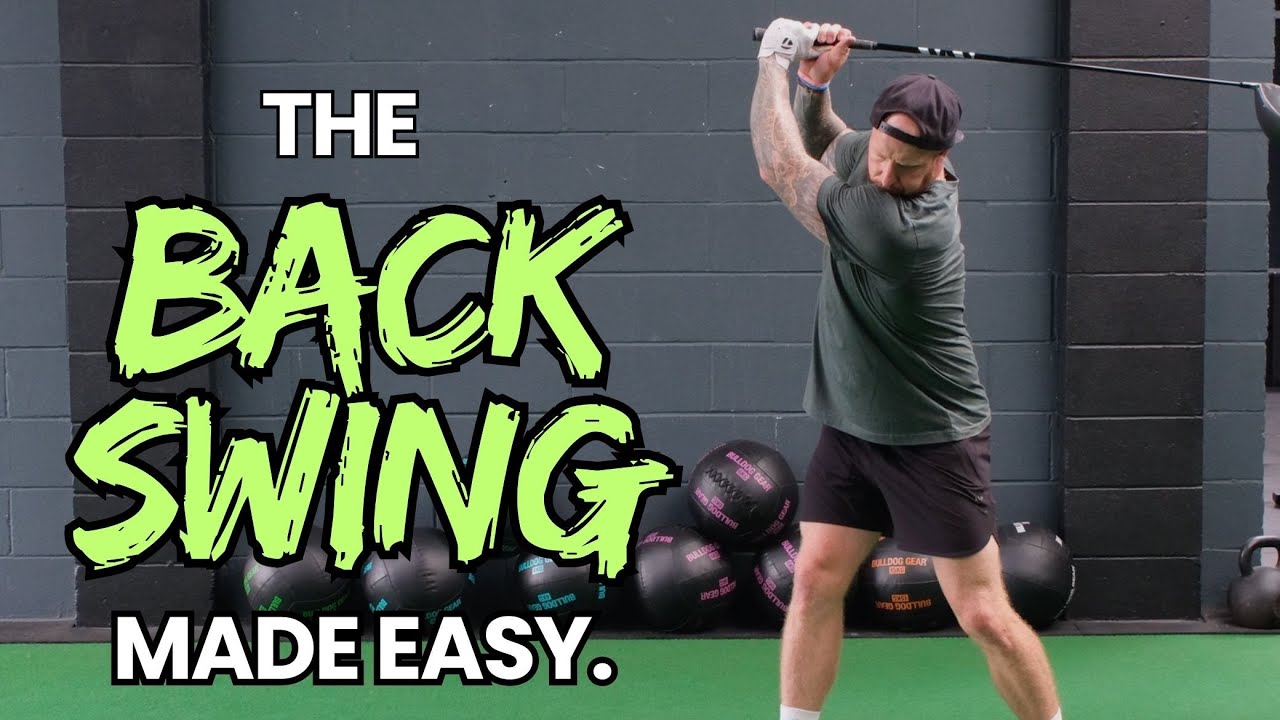
Why is mobility so important in the golf swing? Performance. Prevention. Progress. At DRVN, we're here to inspire health and fitness through golf — improving performance on the course, but even more so, ensuring longevity, happiness, and fulfillment off it. Mobility is the starting point.
What Is Mobility?
The ability to move or be moved freely and easily.
All golfers talk of wanting to be more flexible to improve their golf fitness — but flexibility is only part of the puzzle. Mobility is what they really want. There are three key areas that make up an individual's mobility:
- Flexibility — The fundamental ability to stretch a muscle through its end range of motion. How a muscle lengthens and contracts is the basis of all movement, so increasing flexibility through range of motion is foundational for performance and injury prevention.
- Movement Capacity — Taking that fundamental flexibility and creating accurate movements based on a desired task. Flexibility is ineffective if an individual cannot then control and master the required movement patterns for physical or skill-based challenges.
- Awareness & Proprioception — The mind-body connection that initiates every movement we produce. Individuals will have huge variation in this area, and improvements here are incredibly impactful and often immediately visible.
When you work on these three elements, you make progress in your golf swing, improve your health and fitness overall, and benefit your everyday life in countless ways.
The good news: 10 minutes a day will have a huge impact.
Golf Mobility Exercises: A Starting Point
The most impactful golf mobility exercises address the three zones most golfers are restricted in: the hips, the thoracic spine, and the shoulders. Here's a simple starting framework:
Hip Mobility
- 90/90 Hip Stretch: Sit on the floor with both legs bent at 90 degrees — front shin parallel to your body, back shin perpendicular. Hold 60–90 seconds per side. This directly addresses the internal and external rotation needed at the top of the backswing and through impact.
- Hip Flexor Lunge Stretch: Low lunge position, drive hips forward while maintaining a tall spine. Improves extension range needed for the follow-through.
Thoracic Spine (Mid-Back) Mobility
- Quadruped Thoracic Rotation: On hands and knees, thread one arm under your body and rotate to open toward the ceiling. This is the single most direct exercise for improving backswing range without swaying.
- Seated Rotation Stretch: Seated in a chair, rotate the upper body against the back of the chair. Simple, effective, and can be done anywhere.
Shoulder and Lat Mobility
- Doorway Chest Stretch: Classic stretch that opens the anterior shoulder — counters the posture most golfers develop from sitting and address position.
- Lat Prayer Stretch: Kneeling in front of a bench or couch, reach arms forward and sink hips back. Stretches the lats, which restrict shoulder elevation and backswing depth when tight.
These golf mobility exercises form a foundation — but lasting change requires both stretching and the strength to control that new range of motion under load. That's where structured golf fitness training comes in.
DRVN makes it easy to be consistent with golf-specific mobility programs in the DRVN App and on our YouTube Channel. This is how you improve your golf fitness — and if you want to play your best golf, you have to be DRVN.
Watch
Related Articles

Golf Stretching Routine: The Complete Guide for Golfers
A complete golf stretching routine: before a round, after, and daily — build lasting flexibility with a printable routine and DRVN app guidance.
Read
April Is The Most Dangerous Month In Golf — Here's How To Stay On The Course
Millions of golfers leave their bodies dormant all winter, then expect full performance from the first swing of spring. Learn the three mobility pillars that prevent injury and add distance.
Read
2-Minute Golf Swing Mobility Test: How to Know Where You Stand
Most golfers guess at their mobility limitations. This 2-minute self-assessment reveals exactly which ranges of motion are holding your swing back — so you can train what actually needs work.
Read