
What Makes Golf Fitness Different From Regular Training?
Golf fitness is not just working out and hoping your game improves. Learn what makes golf-specific strength and conditioning different, why it matters, and how to find a program that actually transfers to the course.
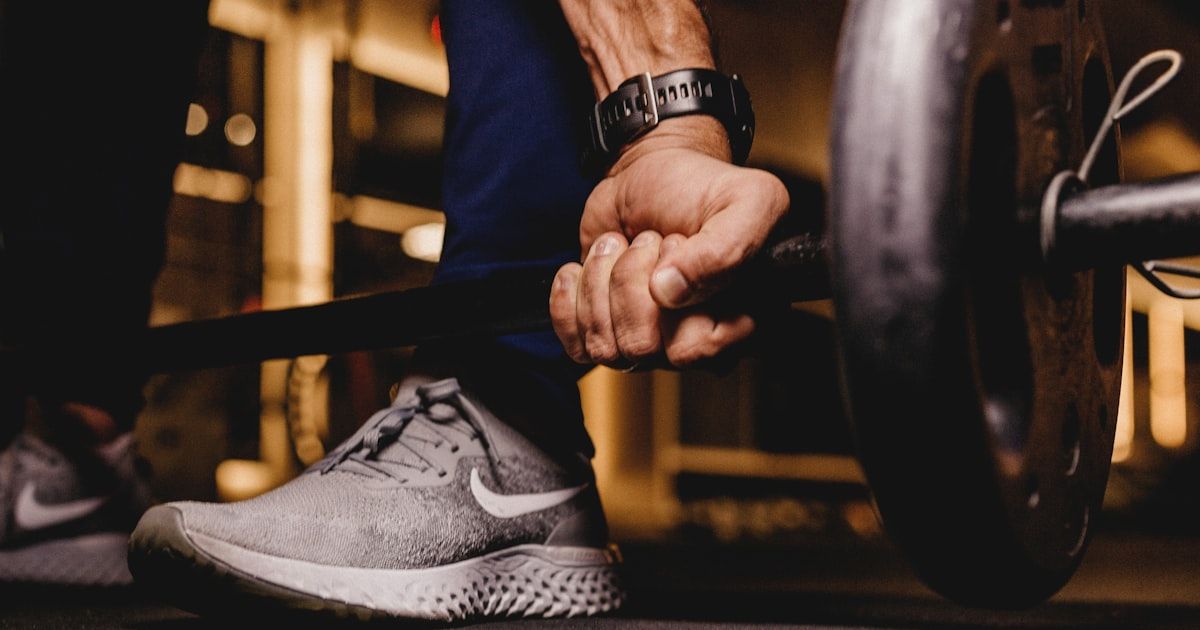
Every golfer knows that fitness matters. The evidence is on every tour broadcast — players are leaner, faster, and more athletic than any previous generation. But there is a difference between "working out" and training in a way that actually transfers to the golf course.
Golf-specific strength and conditioning is a distinct discipline. Here is what separates it from general fitness training, and why the distinction matters for your game.
The Problem With General Fitness for Golfers
Most gym programs are designed around bilateral, sagittal-plane movements: bench press, squats, pull-ups, running. These are great for overall health. But the golf swing is a rotational, asymmetric, ground-force-driven movement that demands a very specific combination of mobility, stability, and power.
A golfer who only trains with general fitness programming may get stronger — but that strength does not automatically translate to more clubhead speed, better consistency, or fewer injuries. In some cases, it can even create problems: restricted mobility from excessive hypertrophy, or imbalanced strength patterns that reinforce swing faults.
Getting stronger is not the same as getting stronger for golf. The training has to match the demands of the movement.
What Golf-Specific Training Actually Targets
Golf fitness programming focuses on the physical qualities that directly influence swing performance and injury resilience:
1. Rotational Power
The golf swing is one of the most explosive rotational movements in sport. Golf fitness training emphasizes rotational power development through med ball throws, cable rotations, and plyometric drills that mirror the swing's sequencing and speed demands.
2. Hip and Thoracic Spine Mobility
Limited hip rotation or thoracic mobility is one of the most common physical causes of swing faults. Golf fitness programs prioritize these joints because they directly determine how well you can separate your upper and lower body during the swing — the foundation of power and consistency.
3. Stability and Balance
Generating force means nothing if you cannot stabilize it. Golf fitness training develops single-leg stability, anti-rotation core strength, and dynamic balance — qualities that keep you grounded through the swing and consistent under fatigue.
4. Asymmetry Correction
The golf swing is inherently one-sided. Over time, this creates physical imbalances that can limit performance and increase injury risk. Golf-specific programming identifies and addresses these asymmetries before they become problems.
5. Speed Development
Swing speed is trainable — but only with the right approach. General strength training builds the foundation. Golf-specific speed training teaches the nervous system to express that strength at the velocities the swing demands.
How to Know If a Program Is Actually Golf-Specific
Not every program that says "golf fitness" delivers it. Here are the hallmarks of a genuinely golf-specific training program:
- It starts with an assessment — A Golf Fitness Handicap™ or similar screening that evaluates your body's readiness for the swing. Without assessment, programming is guesswork.
- It prioritizes rotation and mobility — If the program is mostly bench press and bicep curls, it is not golf fitness.
- It connects to on-course outcomes — The trainer or program should be able to explain how each training phase relates to your swing, your speed, or your injury risk.
- It tracks measurable progress — Not just weight on the bar, but mobility scores, movement quality, and physical markers that correlate with golf performance.
- It is delivered by someone with golf-specific credentials — A DRVN Certified Pro™, TPI-certified professional, or similar. General personal trainers, no matter how skilled, are not trained in golf biomechanics.
Why This Matters Now More Than Ever
The golf fitness industry has matured significantly. Ten years ago, "golf fitness" often meant stretching and light resistance bands. Today, the best programs integrate power development, speed training, mobility work, and data-driven assessment into a progressive system.
Players at every level — from weekend golfers to college athletes to touring professionals — are training this way. The ones who are not are leaving performance on the table and accepting injury risk that is largely preventable.
Find Golf-Specific Training Near You
The DRVN Directory lists certified golf fitness trainers and licensed facilities that deliver golf-specific programming. Every pro in the directory is credentialed to assess, program, and coach using a framework built for the demands of the golf swing.
Whether you are looking for a certified trainer or a golf performance facility, the directory is the fastest way to find golf-specific training in your area.
Related Articles
Golf Exercises for Seniors: A Joint-Friendly Routine (With Printable PDF)
A joint-friendly routine of golf exercises and stretches for seniors — eight moves, 15 minutes, no gym required. Includes a free printable PDF to track your reps.
Read
The Off Season Is Where Your Best Golf Is Built
The summer reveals what your body can do. The off season is when you change what that is. Inside the five-phase DRVN progression — Strength, Power, Speed, Biomechanics, Skill Transfer — and what it delivers for three very different golfers.
Read
Golf Posture: The Setup Fundamentals That Unlock Rotation
Correct golf posture isn't a checklist position — it's a product of hip hinge, thoracic extension, and core control. Here's how to build a setup that lasts 18 holes.
Read