
Wellness, Fitness, Performance: Which Level of Golf Training Is Right for You?
Not every golfer needs the same training. The three tiers of golf training — Wellness, Fitness, and Performance — define different goals, intensities, and outcomes. Here's how to find your level.
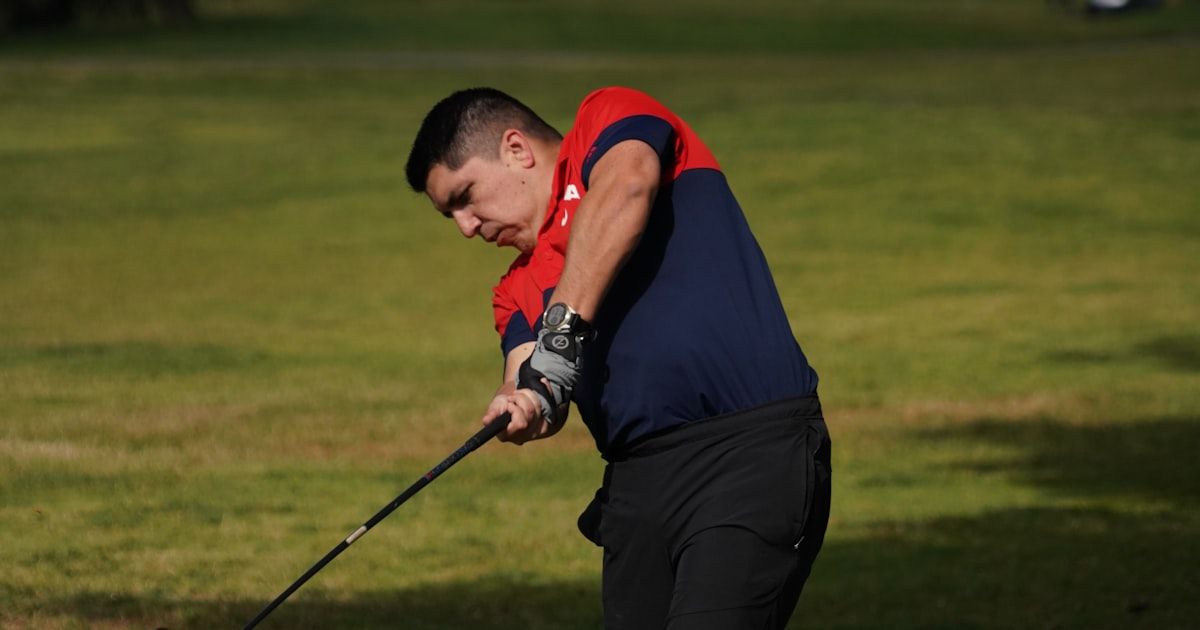
One of the most common mistakes in golf fitness is training at the wrong level. Recreational golfers follow professional training programs that demand more volume and intensity than their bodies can absorb. Competitive amateurs follow wellness-focused programs that don't provide enough stimulus to drive meaningful performance gains. In both cases, the training doesn't work — not because the program is bad, but because it's the wrong match.
The DRVN Methodology organizes training into three progressive levels: Wellness, Fitness, and Performance. Understanding which level fits your current capacity and goals is the first step toward training that actually produces results.
Level 1: Wellness
Who it's for: Golfers who are new to structured training, returning after time off, managing injury or chronic pain, or over 60 with limited current fitness baseline.
What it focuses on: Movement quality, basic mobility, and building physical consistency. The goal at the Wellness level isn't performance optimization — it's establishing a body that moves well, tolerates the demands of regular golf, and can train without breaking down.
What it looks like:
- 2–3 sessions per week, 30–45 minutes each
- Emphasis on hip and thoracic mobility
- Bodyweight and light resistance exercises focused on movement patterns
- Low intensity, high focus on technique and consistency
What it produces: Reduced pain and stiffness, improved range of motion, better movement mechanics, and a physical foundation that supports regular golf. Many golfers at this level report that lower back pain diminishes significantly within 6–8 weeks of consistent training.
How you know you're ready to progress: You can complete Wellness-level workouts without pain, your mobility scores are improving consistently, and you're ready for more physical challenge.
Level 2: Fitness
Who it's for: Golfers with a solid movement foundation who want to build meaningful strength, power, and golf-specific conditioning. This is where most recreational golfers — including competitive club players — should be training.
What it focuses on: Progressive strength development, rotational power, and building the physical capacities that directly improve golf performance. Fitness-level training is where the majority of performance gains available to recreational golfers live.
What it looks like:
- 3–4 sessions per week, 45–60 minutes each
- Progressive resistance training with clear week-over-week increases
- Dynamic power work: medicine ball throws, cable rotations, explosive lower body exercises
- Continued mobility maintenance integrated into warm-ups
What it produces: Meaningful club head speed gains (5–15 mph is common over a 12-week block), improved swing consistency under fatigue, better injury resistance, and physical confidence on the course. Golfers at the Fitness level typically improve their Golf Fitness Handicap™ score by several points per training cycle. A well-structured golf workout program is what drives those gains cycle over cycle.
How you know you're ready to progress: You've plateaued on Fitness-level gains, your Golf Fitness Handicap™ is consistently strong, you're competing at a high amateur level, or you're pursuing professional playing status.
Level 3: Performance
Who it's for: Competitive amateur golfers, aspiring professionals, collegiate golfers in elite programs, and any golfer who wants to maximize every physical advantage available to them.
What it focuses on: Peak physical expression — maximum rotational power, elite club head speed, competition resilience, and the ability to sustain performance under the cumulative physical stress of multi-round events.
What it looks like:
- 4–5 sessions per week, 60–75 minutes each
- High-intensity strength work with periodized loading progressions
- Overspeed training protocols and maximum velocity work
- Competition-phase programming that peaks physical readiness for tournament weeks
- Detailed recovery management: sleep, nutrition, and stress protocols
What it produces: Maximum achievable club head speed, elite-level physical resilience, and the ability to compete at peak physical capacity over four-round events.
Where Does the Golf Fitness Handicap™ Fit In?
The Golf Fitness Handicap™ assessment is used at all three levels to establish a baseline and track progress. It tells you both your current level and which specific physical areas are limiting your golf performance — so you're always training the right things, not just the most popular exercises.
An athlete who assesses at a Wellness level in hip mobility but a Fitness level in strength, for example, needs a program that addresses mobility deficits first. The assessment removes the guesswork from program design.
Starting Where You Are
The most important thing about the three levels isn't which one sounds most impressive — it's which one matches your current reality. A Wellness-level program done consistently and progressively produces better results than a Performance-level program done inconsistently or done wrong.
Start where you are. Progress from there. The gains compound.
Related Articles
Golf Exercises for Seniors: A Joint-Friendly Routine (With Printable PDF)
A joint-friendly routine of golf exercises and stretches for seniors — eight moves, 15 minutes, no gym required. Includes a free printable PDF to track your reps.
Read
The Off Season Is Where Your Best Golf Is Built
The summer reveals what your body can do. The off season is when you change what that is. Inside the five-phase DRVN progression — Strength, Power, Speed, Biomechanics, Skill Transfer — and what it delivers for three very different golfers.
Read
Golf Posture: The Setup Fundamentals That Unlock Rotation
Correct golf posture isn't a checklist position — it's a product of hip hinge, thoracic extension, and core control. Here's how to build a setup that lasts 18 holes.
Read