
Golf Workout Program: How a Structured System Actually Works
Most golf workout programs fail because they lack structure. Learn the three-tier training model, how progression works, and how to measure whether your training is improving your game.
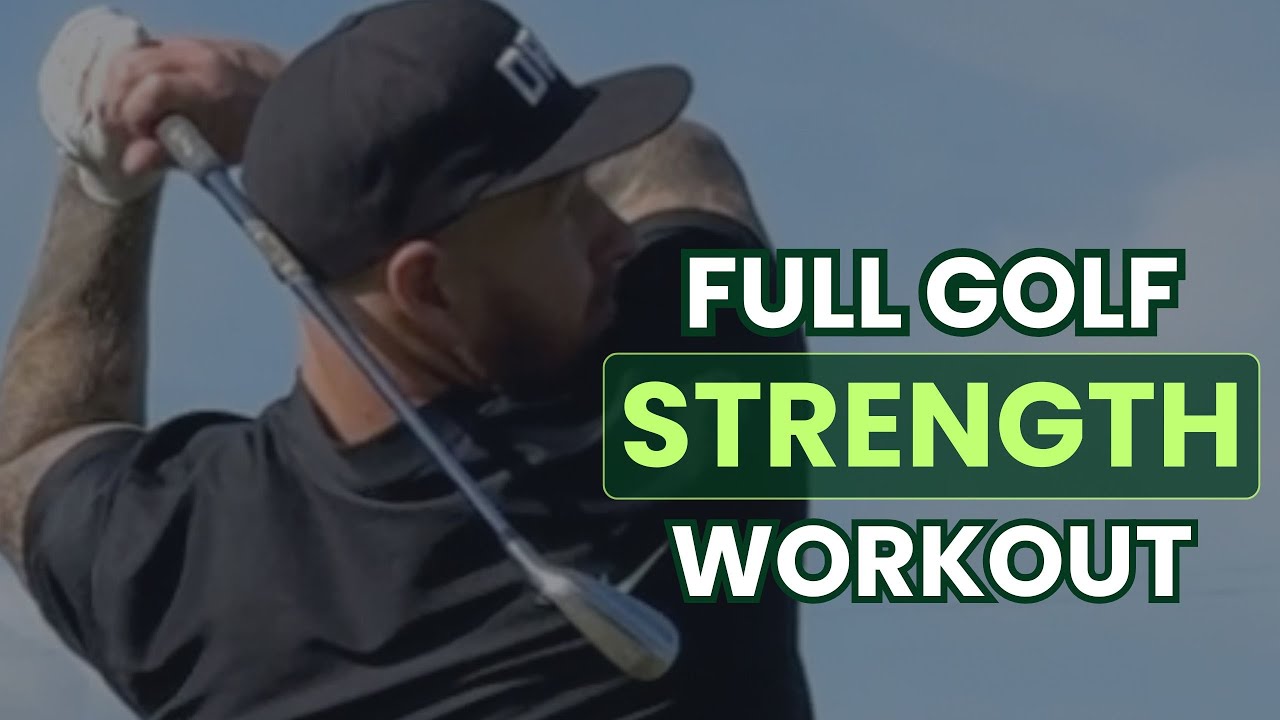
Most golfers know they should be training. The harder question is: what should the training actually look like — and how do you know it's helping your game?
A golf workout program is more than a list of exercises. Done well, it's a structured system that builds the physical capacities your swing depends on: rotational power, hip mobility, shoulder stability, core endurance, and the ability to repeat all of it under pressure. Done poorly, it's 30 minutes of generic gym work followed by wondering why your handicap hasn't moved.
Why Most Golf Workout Programs Fall Short
The most common problem isn't effort — it's structure. Most golfers train in one of two ways:
- Generic fitness programs adapted loosely for golf — usually by adding a cable rotation at the end
- Golf-labeled content with no real progression or assessment behind it
Neither builds compounding fitness. Progress resets every season because there's no system underneath. A well-designed golf workout program addresses three things most programs miss:
- Physical readiness assessment — knowing where the body actually is before prescribing training
- Structured progression — so training builds over time, not just varies week to week
- Transfer to the swing — so physical gains show up on the course, not just in the gym
The Three Training Tiers
Not every golfer needs the same training. A 65-year-old weekend player and a competitive amateur have completely different physical profiles — and their programs should reflect that.
The DRVN system structures all training around three tiers:
Wellness Training
The foundation. Focused on restoring and maintaining mobility, reducing restriction, and building the basic movement capacity required to swing without compensation or pain. Most recreational golfers should spend meaningful time here before advancing — and many benefit from returning to it seasonally.
Fitness Training
Where most of the strength and conditioning work lives. This tier builds the power base — hip strength, rotational capacity, shoulder stability, and the core patterns that drive clubhead speed. Programs are structured across 4–6 week progressions and reassessed using objective physical testing at each cycle.
Performance Training
Designed for golfers who have built the base and want to push output — speed, power, and competitive readiness. This tier requires a solid foundation in the Fitness tier and is typically reserved for serious amateurs and competitive players.
What a Week Actually Looks Like
A realistic golf workout program for a recreational golfer in the Fitness tier might look like this:
- Monday: Strength — lower body focus (hip hinge, single-leg work, loaded carries)
- Wednesday: Strength — upper body and rotational power
- Friday: Mobility and golf transfer work (dynamic stretching, swing pattern drills)
- Pre-round (any day): 8–10 minute activation sequence
The total training volume is manageable — three dedicated sessions per week — because consistency beats intensity every time. A golfer who trains three days a week for 12 months improves more than one who trains six days a week for six weeks and burns out.
How to Know If the Program Is Working
This is where most programs fall apart. Golfers train for weeks and have no objective way to measure whether their work is actually improving physical capacity for golf.
The Golf Fitness Handicap™ closes this gap. It's a readiness indicator derived from a 50-point physical assessment — scored as +/- shots — that answers the question: Is my body physically capable of supporting my swing right now?
Reassessed every six weeks, it gives golfers and coaches a shared, objective signal of whether training is moving in the right direction — without relying on gut feel or subjective improvement reports. If the number moves, the training is working. If it doesn't, the program adjusts.
How to Start
The single best first step is an honest physical assessment. Most golfers overestimate their mobility and underestimate their compensations. An assessment reveals what's actually limiting performance — and ensures the program addresses real gaps rather than assumed ones. For golfers who want to understand the broader physical framework, the case for golf-specific training lays out why a tailored approach matters.
From there, a structured, progressive program with built-in reassessment gives you the feedback loop needed to actually improve season over season — not just stay busy in the gym.
Watch
Related Articles
Golf Exercises for Seniors: A Joint-Friendly Routine (With Printable PDF)
A joint-friendly routine of golf exercises and stretches for seniors — eight moves, 15 minutes, no gym required. Includes a free printable PDF to track your reps.
Read
The Off Season Is Where Your Best Golf Is Built
The summer reveals what your body can do. The off season is when you change what that is. Inside the five-phase DRVN progression — Strength, Power, Speed, Biomechanics, Skill Transfer — and what it delivers for three very different golfers.
Read
Golf Posture: The Setup Fundamentals That Unlock Rotation
Correct golf posture isn't a checklist position — it's a product of hip hinge, thoracic extension, and core control. Here's how to build a setup that lasts 18 holes.
Read