
Golf Stretches: 15 Exercises That Actually Improve Your Swing
15 golf stretches for flexibility, power, and injury prevention — target the hips, thoracic spine, shoulders, and hamstrings every golfer needs.
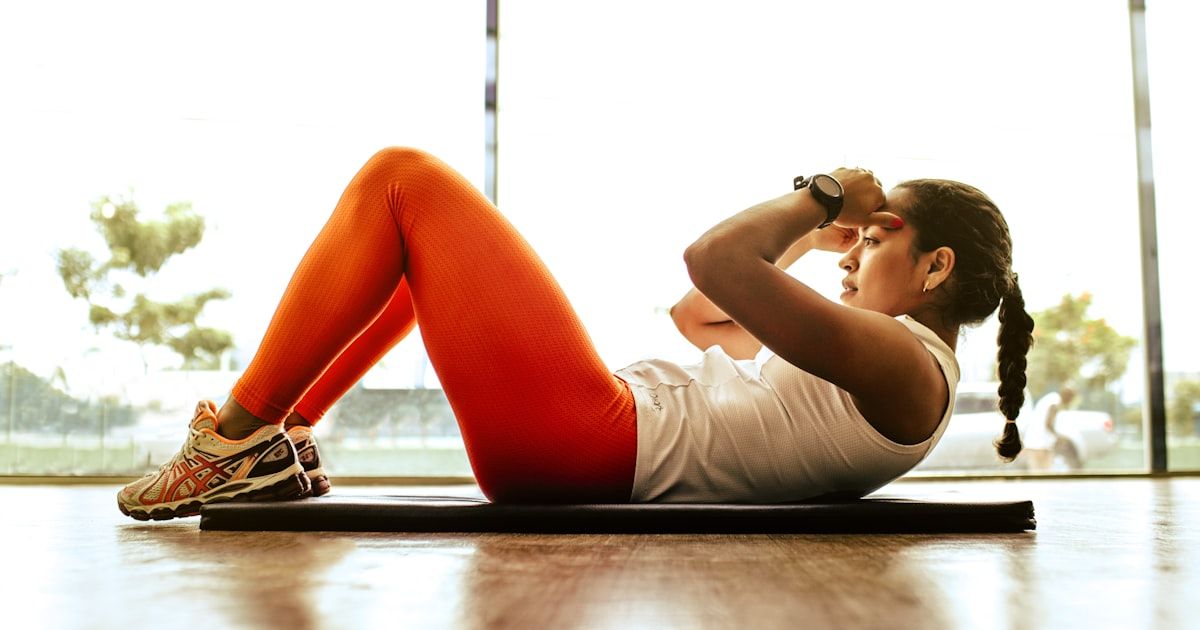
The best golf stretches do more than loosen you up before a round — they systematically build the flexibility your swing demands. Most golfers only stretch when something hurts or when they're warming up in the parking lot. That's not a stretching program. That's damage control.
A real golf stretching routine targets the specific joints and muscle groups the swing loads hardest — hips, thoracic spine, shoulders, hamstrings, and hip flexors — and progressively develops range of motion over weeks and months. The result is a body that can physically execute what your coach is asking for, rather than compensating around limitations you've never addressed.
This guide covers 15 golf stretches organized by the body area they target, how often to do them, common mistakes to avoid, and the difference between pre-round activation and the year-round flexibility work that actually changes how you move. If you're specifically looking for what to do before a round, we cover that separately.
Why Golf Stretches Matter for Your Swing
The golf swing is a rotational movement that demands extraordinary range of motion from multiple joints simultaneously — all within a fraction of a second. The hips need to internally and externally rotate through a wide arc. The thoracic spine needs to extend and rotate deeply on the backswing and through-swing. The shoulders need external rotation at the top and internal rotation through impact. The hamstrings and hip flexors need to allow full pelvic tilt without compensating through the lower back.
When any of these areas is restricted, the body finds a workaround. It's never a good workaround — it's a compensation under load that shows up as poor swing mechanics, reduced power, or eventually an overuse injury. Restricted hip internal rotation becomes early extension. Limited thoracic mobility becomes over-rotation in the lumbar spine. Tight hip flexors become reverse spine angle. The body will always complete the movement, but the compensation always has a cost.
Consistent golf stretches — done regularly, targeting the right areas, held long enough to create actual tissue change — address these restrictions at the source. Combined with golf-specific strength training, they form the physical foundation every reliable swing is built on.
The 5 Key Areas Golf Stretches Should Target
Not all flexibility matters equally for golf. These are the five areas where restriction most directly limits swing quality and injury resistance:
1. Hips
Both internal and external hip rotation feed directly into the backswing and downswing sequence. Restricted hip rotation is one of the most consistent findings in amateur golfers who struggle to rotate fully or who lose their spine angle through impact — and a key area flagged by the Golf Fitness Handicap™ assessment.
2. Thoracic Spine
The mid-back is the primary driver of shoulder turn. Without adequate thoracic extension and rotation, golfers compensate by over-mobilizing the lumbar spine — a common pathway to lower back pain. Improving thoracic mobility is one of the highest-leverage interventions in golf fitness.
3. Shoulders and Lats
The lats connect the arm to the pelvis and play a major role in the swing transition. When the lat is short or overactive, it can restrict shoulder elevation and pull the lead arm across the body at the top. Shoulder external rotation is equally critical — restrictions here affect club position and path.
4. Hamstrings
Tight hamstrings pull the pelvis into posterior tilt, which limits the ability to hinge at the hip in address position and often contributes to a rounded lower back under load. Consistent hamstring stretching supports better posture throughout the swing.
5. Hip Flexors
Golfers who sit for work are almost universally dealing with shortened hip flexors. This shortening anteriorly tilts the pelvis and creates compensations throughout the kinetic chain — affecting address posture, the ability to clear the hips in the downswing, and follow-through balance.
15 Best Golf Stretches: The Complete Routine
The following golf stretches address all five key areas. Perform this routine at least three times per week — ideally daily. Hold static stretches for 45–90 seconds per side. Move slowly, breathe through the stretch, and prioritize depth over speed.
Hip Golf Stretches (1–4)
1. Hip 90/90 Stretch
Sit on the floor with both legs bent to 90 degrees — one leg in front and one behind, both knees at right angles. Sit upright with a tall spine over the front shin and feel the stretch in the external hip of the rear leg. Hold, then switch sides. This is the foundational hip mobility stretch for golfers and targets both internal and external rotation depending on which side is active.
2. Supine Figure-Four Hip Stretch
Lie on your back with knees bent and feet flat. Cross one ankle over the opposite knee, flex the foot, and draw both legs toward your chest. Hold the stretch in the outer hip and glute of the crossed leg. This is a gentler entry point for golfers with limited hip flexibility who find the 90/90 too demanding at first.
3. Pigeon Pose Modification
From a push-up position, bring one knee toward the same-side wrist and let the shin angle toward the floor. Lower the hips toward the ground and hold. This stretches the external rotators and deep hip structures (including the piriformis) more intensely than the figure-four. For golfers who have significant hip restriction, this stretch often produces the most noticeable change over time.
4. Standing Hip Flexor Stretch
Take a long lunge stance, drop the rear knee to the floor, and shift your hips forward until you feel a stretch at the front of the rear hip. Maintain a tall spine and avoid arching the lower back. To increase the stretch, reach the arm on the same side as the rear knee overhead and laterally. Hold for 60–90 seconds per side. This is one of the most important golf stretches for anyone who sits at a desk during the day.
Thoracic Spine Golf Stretches (5–8)
5. Quadruped Thoracic Rotation
Start on all fours with a neutral spine. Place one hand behind your head, then rotate that elbow toward the opposite knee, then open it fully toward the ceiling. Follow the movement with your eyes. Repeat for reps before holding at end range. This is one of the most effective exercises for improving thoracic rotation and is directly transferable to backswing depth.
6. Open Book Thoracic Rotation
Lie on your side with knees stacked at 90 degrees and arms extended in front. Keeping the bottom knee pinned to the floor, slowly open the top arm behind you, rotating through the thoracic spine. Hold at end range for 30–45 seconds. This targets thoracic rotation with the lumbar spine stabilized — preventing the cheating compensation most people use when rotating freely.
7. Seated Trunk Rotation Stretch
Sit on the floor with legs extended. Cross one foot over the opposite knee and plant it flat on the floor. Place the opposite elbow on the outside of the raised knee and gently rotate your torso toward the bent knee, pressing the elbow against the knee for leverage. Keep a tall spine throughout. Hold for 30–45 seconds per side. This stretch mimics the rotational demand of the golf swing and helps build end-range thoracic rotation awareness — a direct carryover to shoulder turn on the backswing.
8. Prayer Stretch (Child's Pose with Rotation)
Kneel on the floor and sit back toward your heels. Walk your hands forward on the floor until your arms are fully extended and your chest drops toward the ground. From here, thread one arm underneath the other, rotating the thoracic spine while keeping the hips anchored. Hold the rotated position for 30 seconds, then repeat on the other side. This combines thoracic extension with rotation and stretches the lats simultaneously — three golf-relevant qualities in one position.
Shoulder and Lat Golf Stretches (9–11)
9. Doorway Chest and Shoulder Stretch
Stand in a doorway and place both forearms on the door frame with elbows at shoulder height. Step one foot through and shift your weight forward until you feel a stretch across the chest and the front of the shoulders. Adjust elbow height to target different portions of the pec minor and major. This counteracts the forward shoulder posture common in desk workers and improves the shoulder position at address.
10. Cross-Body Shoulder Stretch
Stand tall and draw one arm across the body at shoulder height, using the opposite hand to apply gentle pressure just above the elbow. Keep the shoulder down — resist the urge to hike it toward your ear. This targets the posterior shoulder capsule and the rear deltoid, which often become restricted in golfers who generate a lot of rotational force.
11. Lat Stretch with Overhead Reach
Stand next to a door frame or post, reach one arm overhead and grip the frame, then shift the hips away to create a long lateral line from hip to fingertip. You should feel the stretch along the side of the torso and into the armpit. The lat's attachment to the pelvis means this stretch also affects how freely the lead arm can elevate at the top of the backswing.
Hamstring and Lower Body Golf Stretches (12–15)
12. Standing or Seated Hamstring Stretch
Standing: hinge at the hip with a slight knee bend, letting the torso lower toward the thighs while keeping a flat back. Seated: extend one leg in front and hinge at the hip toward the extended leg — not by rounding the back, but by tilting the pelvis forward. The distinction matters: rounding the back to reach your toes doesn't stretch the hamstring effectively; it stretches the lower back instead.
13. Supine Hamstring Stretch with Strap
Lie flat on your back and loop a towel, belt, or resistance band around the ball of one foot. With the opposite leg flat on the floor, slowly straighten the raised leg toward the ceiling, using the strap to gently increase the stretch. Keep a slight bend in the knee if needed — the goal is to feel a deep stretch in the back of the thigh without forcing the leg perfectly straight. Hold for 60–90 seconds per side. This is one of the safest hamstring stretches for golfers with lower back sensitivity because the spine stays fully supported throughout.
14. Standing Calf Stretch
Stand facing a wall with both hands on the wall at shoulder height. Step one foot back into a long stance, keeping the rear heel pressed into the floor and the rear knee straight. Lean into the wall until you feel the stretch in the calf of the rear leg. To target the deeper soleus muscle, bend the rear knee slightly while keeping the heel down. Hold for 30–45 seconds per side. Tight calves restrict ankle dorsiflexion, which limits how well you can maintain balance and ground contact through the swing — particularly in the lead foot at impact.
15. Supine Spinal Twist
Lie on your back with both arms extended out to the sides. Draw one knee to your chest, then let it fall across your body to the opposite side while keeping both shoulders flat on the floor. Turn your head to look toward the hand on the same side as the raised knee. Hold for 45–60 seconds per side. This stretch targets the lower back, obliques, and glutes while gently rotating the entire spine. It's an excellent cooldown stretch after a round and helps decompress the lower back after the repetitive rotational load of a full 18 holes.
Quick Pre-Round Golf Stretches (5-Minute Warmup)
The stretches above are for your training routine — the year-round work that changes your baseline flexibility. Before a round, you need something different: dynamic activation that wakes up the nervous system without reducing muscle tension right before you need it.
Here's a quick pre-round sequence you can do in five minutes at the course. These are dynamic movements, not long static holds:
- Arm circles (30 seconds): Forward and backward, progressively increasing range. Warms up the shoulders and signals the rotator cuff to activate.
- Trunk rotations with club across shoulders (30 seconds): Hold a club behind your neck, feet shoulder-width apart, and rotate side to side with control. Gradually increase the range as your body warms up.
- Hip circles (30 seconds per side): Standing on one leg, draw large circles with the opposite knee. This activates hip mobility and balance simultaneously.
- Walking lunges with rotation (1 minute): Take a long step forward into a lunge, then rotate your torso over the front knee. Alternate sides. This combines hip flexor activation, thoracic rotation, and balance.
- Practice swings at 50% (1 minute): Start with half-speed swings and gradually build to 75%. This is the final step before hitting balls — it patterns the full movement at increasing intensity.
For a more detailed pre-round warmup, see our full guide to golf stretches before a round.
How Often Should Golfers Stretch?
Daily is the goal, even if sessions are short. Flexibility adapts through repeated stimulus — a 10-minute stretching session done seven days a week produces better results than a 60-minute session done once. The tissue needs consistent signals to remodel.
If daily isn't realistic, three dedicated sessions per week is a workable minimum, with a brief maintenance routine (5–7 minutes) on off days. The key word is consistency. A modest routine done regularly beats an ambitious routine done sporadically. Most golfers who say stretching doesn't work for them have never done it consistently enough or long enough to see the adaptation — tissue change takes six to twelve weeks of regular practice to become noticeable.
Common Golf Stretching Mistakes
Even golfers who stretch regularly often undermine their results with a few common errors:
- Holding too briefly: Static stretches held for under 30 seconds produce minimal tissue change. For meaningful flexibility gains, hold each golf stretch for 45–90 seconds. Anything shorter is activation, not adaptation.
- Bouncing: Ballistic stretching (bouncing at end range) triggers the stretch reflex and actually tightens the muscle you're trying to lengthen. Ease into the stretch gradually and hold at a steady depth.
- Static stretching before playing: Long static holds immediately before a round can temporarily reduce muscle power output. Save deep static stretching for your training sessions and use dynamic movements before you play.
- Ignoring asymmetry: Most golfers have a dominant rotation direction. If your left hip is significantly tighter than your right, spend extra time on the restricted side rather than giving both sides equal attention. The Golf Fitness Handicap™ assessment identifies exactly where these imbalances exist.
- Stretching only what feels tight: Perceived tightness isn't always the limitation. A muscle can feel tight because it's weak and overworked, not because it's short. Stretching it further can make the problem worse. This is why assessment matters.
The Difference Between Stretching and Mobility Training
Stretching increases the passive length of a muscle — how far it can be lengthened when an external force is applied. Mobility training develops active control through that range — the ability to produce force and stabilize at end range without relying on external support.
Both matter for golf. Stretching builds the available range; mobility training teaches the nervous system to use it under load. A golfer who stretches the hips but doesn't train hip stability in that end range will often find that their new flexibility doesn't show up in the swing — because the body won't access a range it can't control.
Think of stretching as opening a door and mobility training as learning to walk through it confidently. The best golf stretches programs include both. Take the golf swing mobility test to see where your active range differs from your passive range.
When Stretching Isn't Enough
Stretching is essential but not sufficient for lasting change. If a restriction is being driven by muscular weakness — if the body is guarding a joint because the muscles around it can't support movement through full range — then stretching alone will produce temporary relief at best. The restriction returns because the underlying cause hasn't been addressed.
This is especially common in the hips and thoracic spine of golfers who have limited movement histories. The body tightens what it can't control. Releasing the tightness without building the underlying strength means the tightness comes back. The long-term solution is pairing your golf stretches with targeted strength work in the same areas — glute and hip strength to support hip mobility, rotator cuff and mid-back strength to support thoracic range of motion.
This is why the most effective golf fitness programs — including the DRVN methodology — treat flexibility and strength as two parts of the same process, not separate tracks.
Over 60? Start with our joint-friendly golf exercises for seniors — eight chair-and-wall moves with a free printable PDF.
Golf Stretches FAQ
How long should I hold golf stretches?
For training purposes, hold each static golf stretch for 45–90 seconds per side. Research consistently shows that holds under 30 seconds produce minimal tissue change. Before a round, use dynamic movements (10–15 seconds of motion per exercise) instead of long static holds.
Should I stretch before or after golf?
Both — but differently. Before a round, use dynamic stretches and activation movements that warm up the joints without reducing muscle tension. After a round, use static holds to begin restoring range of motion that the repetitive swing pattern may have tightened. Your dedicated stretching routine (like the 15 exercises above) should happen in separate training sessions away from the course.
Can golf stretches help with back pain?
In many cases, yes. Lower back pain in golfers is frequently caused by compensations from restricted hips and a stiff thoracic spine — the lumbar spine is forced to over-rotate because the joints above and below it won't move enough. Golf stretches that target the hips and thoracic spine can reduce the compensatory load on the lower back. However, if you're experiencing acute pain, see a medical professional before starting a stretching program.
Will stretching increase my swing speed?
Stretching alone won't directly increase club head speed — that requires power training. But it removes physical barriers that limit how much speed you can produce safely. A golfer with restricted hip rotation can't fully load the backswing, which caps their power output regardless of how strong they are. Improving that range through consistent golf stretches allows the strength and power you already have to express itself in the swing. Pair stretching with golf-specific workouts for the fastest speed gains.
What are the best golf stretches for seniors?
Golfers over 50 should prioritize hip and thoracic spine stretches because these areas lose range of motion fastest with age. The supine figure-four (stretch 2), open book rotation (stretch 6), standing hip flexor stretch (stretch 4), and supine hamstring stretch with strap (stretch 13) are all low-impact, floor-based options that are easy on the joints. Start with shorter holds (30 seconds) and progress gradually. For a complete program designed for older golfers, see our golf fitness over 50 guide.
How long before I see results from golf stretching?
Most golfers notice improved ease of movement within two to three weeks of consistent daily stretching. Measurable range-of-motion changes typically take six to eight weeks. Significant swing improvements driven by flexibility gains usually emerge over eight to twelve weeks. The key is consistency — stretching three to five times per week produces results; stretching once a week rarely does.
Build the Foundation with DRVN
The DRVN App includes a structured mobility and flexibility program built on these same principles — year-round golf stretches that progressively develop the ranges of motion a reliable swing demands, paired with the strength work needed to make those gains permanent.
Start with the Golf Fitness Handicap™ assessment to identify exactly where your restrictions are, then follow the personalized programming to address them systematically. The body you're trying to build on the course starts with the work you do off it.
Related Articles
Golf Exercises for Seniors: A Joint-Friendly Routine (With Printable PDF)
A joint-friendly routine of golf exercises and stretches for seniors — eight moves, 15 minutes, no gym required. Includes a free printable PDF to track your reps.
Read
The Off Season Is Where Your Best Golf Is Built
The summer reveals what your body can do. The off season is when you change what that is. Inside the five-phase DRVN progression — Strength, Power, Speed, Biomechanics, Skill Transfer — and what it delivers for three very different golfers.
Read
Golf Posture: The Setup Fundamentals That Unlock Rotation
Correct golf posture isn't a checklist position — it's a product of hip hinge, thoracic extension, and core control. Here's how to build a setup that lasts 18 holes.
Read