
5 Best Kettlebell Exercises for Golf Fitness
Kettlebells are one of the most effective tools for golf-specific training — they build rotational strength, hip power, and grip endurance in the same movements your swing demands.
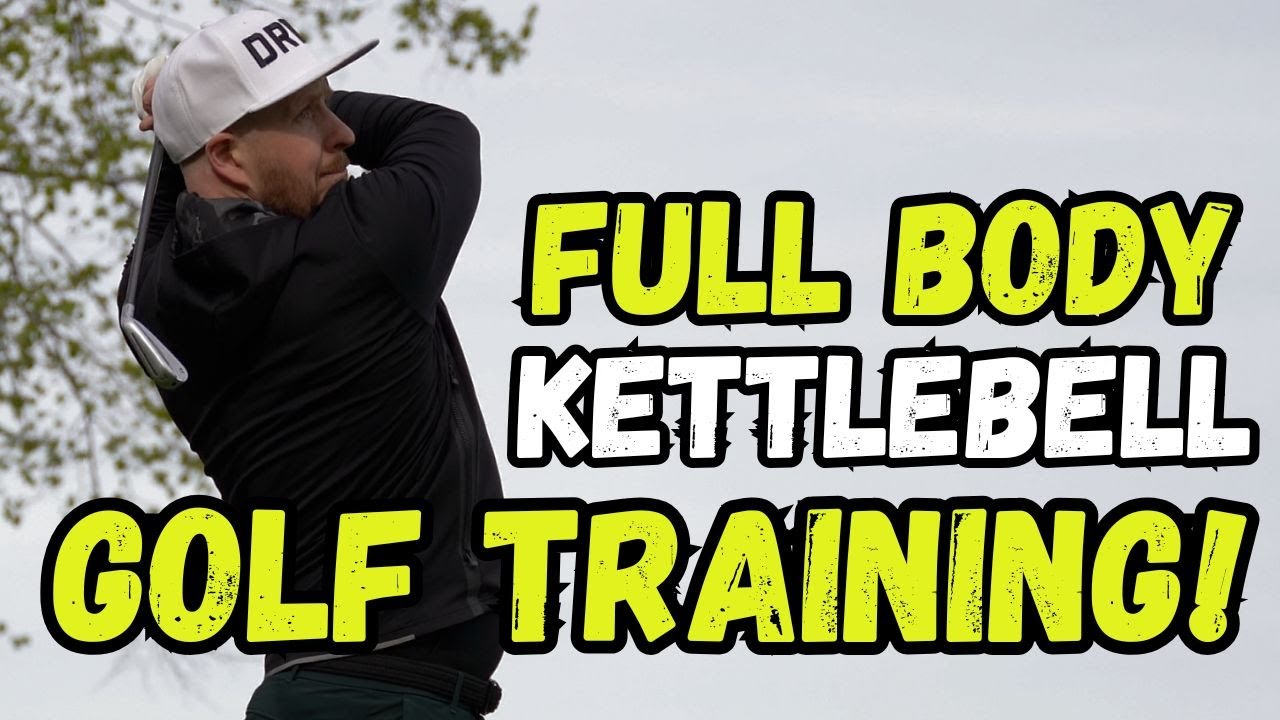
Kettlebells have earned a legitimate place in golf fitness training — not because they're trendy, but because the movements they demand closely mirror what happens in the golf swing. Hip hinging, rotational loading, explosive extension, single-arm stability — these are foundational movement patterns in both kettlebell training and golf performance.
The five exercises below target the specific physical qualities that drive improvement on the course: hip power, rotational strength, core stability, and grip endurance.
Why Kettlebells Work for Golfers
Most gym equipment — barbells, machines, cables — trains movement in a fixed plane. Kettlebells are different. Their offset center of mass forces the body to control rotation and stabilize joints dynamically, which is exactly what the golf swing requires on every rep of every round.
They also train the ballistic quality of movement — the ability to produce force quickly — which is directly relevant to clubhead speed. A golf swing isn't a slow grind. It's an explosion. Training explosively builds the fast-twitch patterns that power it.
The 5 Exercises
1. Kettlebell Swing
Why it works for golf: The swing is a hip hinge loaded explosively — the same pattern as the downswing initiation. It builds posterior chain power (glutes, hamstrings), hip extension speed, and teaches the body to produce force from the ground up.
How to do it: Hinge at the hips with a flat back, let the kettlebell swing back between the legs, then drive the hips forward explosively to propel it to chest height. The power comes from the hips — not the arms. 3–4 sets of 10–15 reps.
2. Single-Arm Kettlebell Clean
Why it works for golf: The clean trains the same rotational hip-to-shoulder sequence as the downswing — load from the ground, rotate through the hips, and transfer energy upward through the torso. It also develops unilateral strength and shoulder stability under load.
How to do it: Start with the bell between your feet, hinge and grip, then drive upward through a hip extension and pull the elbow high to "catch" the bell in the rack position at shoulder height. 3 sets of 6–8 each arm.
3. Goblet Squat with Rotation
Why it works for golf: Builds lower-body strength while training hip mobility and thoracic rotation under load — the exact combination required to maintain posture and generate power through the hitting zone.
How to do it: Hold the bell at chest height, squat to depth, then at the bottom, rotate the torso left and right while maintaining position. Return to standing. 3 sets of 8 reps with 2 rotations at the bottom.
4. Half-Kneeling Kettlebell Press
Why it works for golf: The half-kneeling position eliminates lower body compensation and forces the core and hip to stabilize against rotation — which is what happens throughout the golf swing as the upper body moves over a stable lower base.
How to do it: Kneel on one knee (same side as the pressing arm), hold the bell in the rack, and press overhead. Keep the hips square and the core engaged throughout. The instability of the unloaded hip reveals and builds stability. 3 sets of 8 each side.
5. Kettlebell Deadlift to Row
Why it works for golf: Combines posterior chain loading with lat and upper-back activation — the muscles responsible for maintaining arm connection and generating lag in the downswing. The rowing component targets the scapular retractors that support a powerful follow-through.
How to do it: Stand over the bell in a hip-width stance. Hinge to grip, perform a deadlift, then at the top, row the bell to the hip (keeping the elbow close). Lower back to the ground with control. 3 sets of 8–10 each side.
Programming These Into Your Week
These five exercises can be used as a standalone 40-minute session or integrated into a broader golf fitness program. A simple starting structure:
- Day 1: Swings + Clean + Goblet Squat (power and lower body focus)
- Day 2: Half-Kneeling Press + Deadlift to Row (upper body and stability focus)
As you progress, increase weight on the swing and clean first — these are the most directly speed-relevant movements. The press and row can be progressed in reps before adding load.
The Right Tool for Golf-Specific Training
Kettlebells won't replace a full strength program, but for golfers who want efficient, functional training that transfers to the course, they're one of the highest-value tools available. The movements are athletic. The loading is appropriate for most golfers. And the results — more power, better stability, improved endurance through a round — show up where they matter: on the scorecard.
Watch
Related Articles
How To Hit It Further — Add 5 MPH Of Swing Speed, Gain 15 Yards
Every 1 mph of clubhead speed is worth 2.5 yards of carry. Here is what produces it — smash factor, the five-link kinetic chain, and the golf swing speed training that builds both.
Read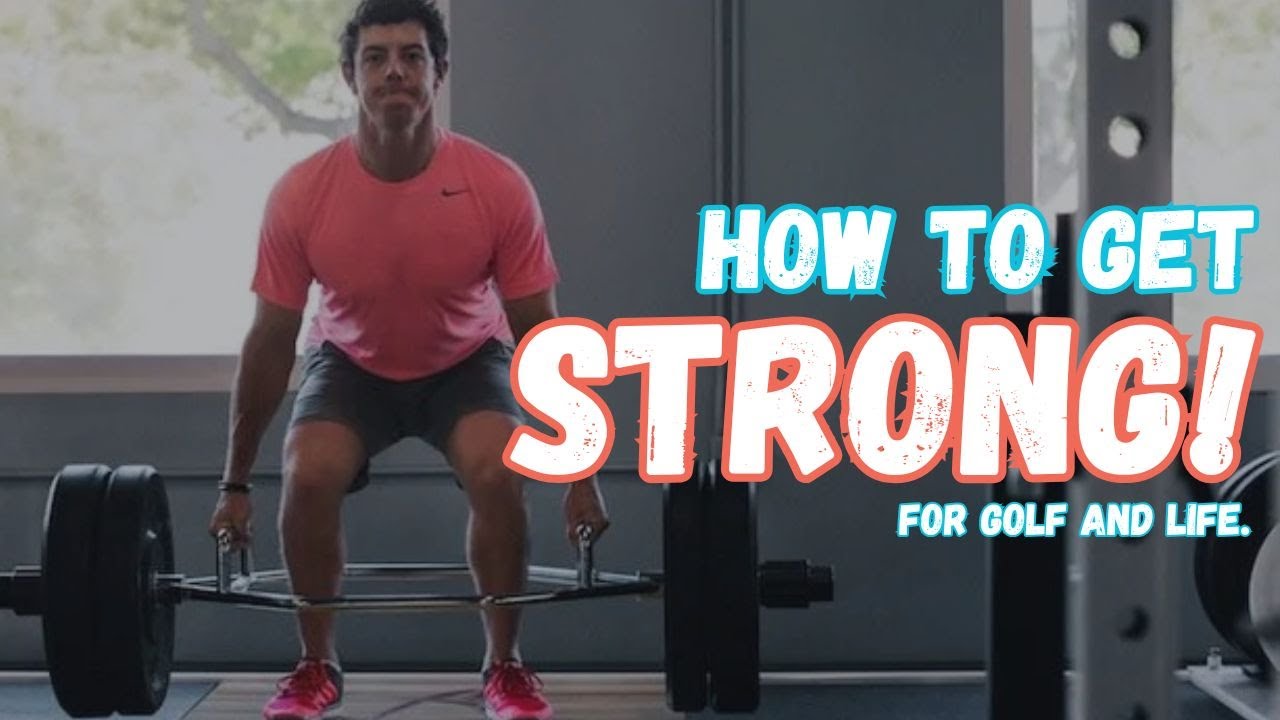
Strength Training for Golfers: What Actually Transfers to the Course
The right strength training for golfers builds power, protects against injury, and shows up in your swing. Here's what transfers — and what doesn't.
Read
How to Add Distance to Your Golf Drives: The Strength and Speed Training Guide
More distance isn't about swinging harder — it's about training the right physical qualities. Here's what actually increases club head speed and how to build a program around it.
Read