
Why the Deadlift Is a Game-Changer for Golfers — When Done Right
The deadlift builds full-body strength, posterior chain power, and spinal resilience that translate directly to more clubhead speed and fewer injuries. Here's how to prepare, test, and progress safely.
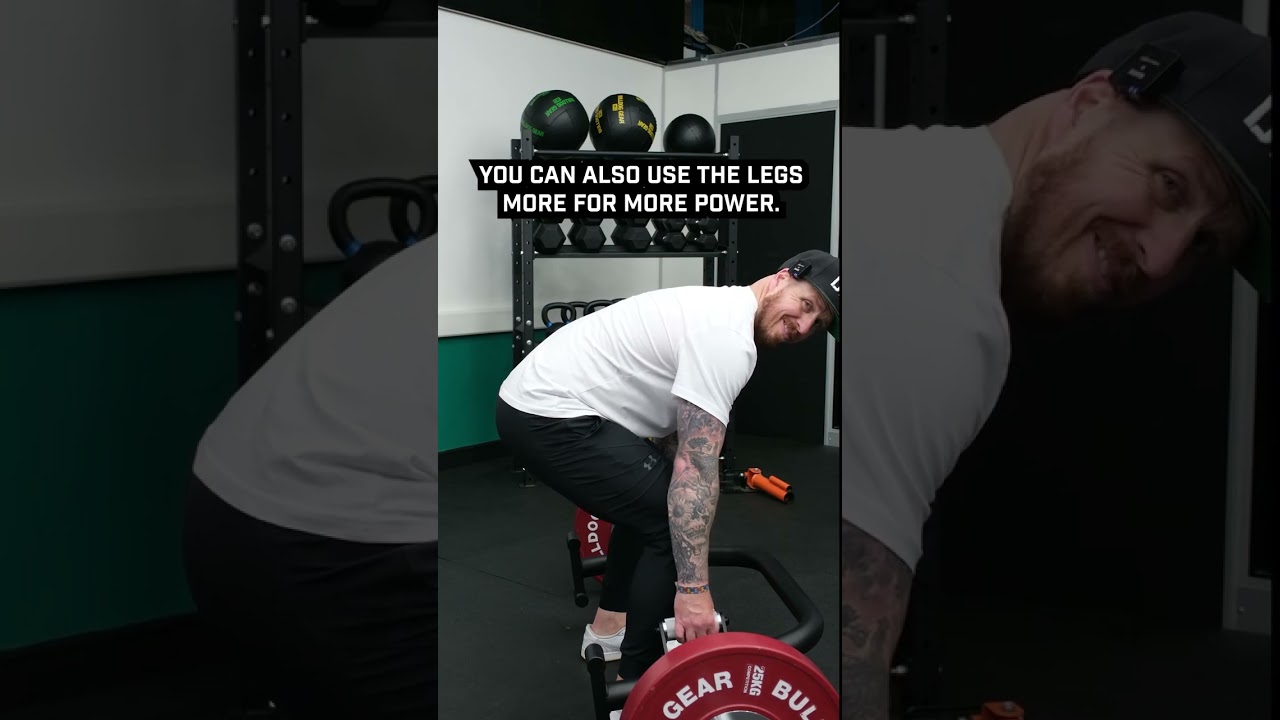
Strength training is one of the most powerful tools a golfer can use to improve performance, build durability, and increase longevity in the game. Few exercises reflect this reality more than the deadlift. It builds strength from the ground up, reinforces powerful movement patterns, and strengthens the muscles that protect your spine and drive your golf swing.
But because it involves moving significant weight from the floor, poor setup, rushed progression, or bad mechanics can quickly lead to setbacks — especially in the lower back. That's why every successful deadlift program for golfers must begin with three key pillars: proper preparation, intelligent testing, and progressive performance-based programming.
Step One: Preparing the Body the Right Way
Every great training session begins with a great warm-up. For the deadlift, the goal is twofold: mobilize the right joints and activate the right muscle pathways. A simple, effective three-step warm-up does exactly that:
- Hip 90/90 Mobilizations — These open up internal and external hip rotation, giving you better access to the muscles that power the deadlift and the golf swing. The hips are the central power station for both lifting and rotation, and they must move freely.
- Bodyweight Hip Thrusts — Activates the glutes and posterior chain — the engine room of the deadlift. Full hip extension is critical for both strength and spinal protection. If the glutes aren't firing, the lower back takes over, and that's where injuries begin.
- Kettlebell Swings — Adds speed and intent. Swings reinforce explosive hip drive, activate muscles dynamically, and elevate heart rate — transitioning the body from preparation into performance.
This warm-up takes only a few minutes but has a major payoff. Every warm-up should be at least 10 minutes long — you should feel fully prepared, with breathing elevated, joints moving smoothly, and muscles engaged — before touching the bar.
Step Two: Testing to Establish a Baseline
If you want to improve, you must know exactly where you're starting. For most golfers, a properly executed one-rep max deadlift is the most practical way to establish a baseline. Testing should follow a smart ramp-up strategy:
- Start with lighter weights for higher reps
- Progress gradually toward heavier single reps
- Never allow form to break down
Three non-negotiables must be present in every heavy lift:
- Feet anchored to the ground — Force starts at the floor. If your feet shift or lose pressure, power leaks immediately.
- Posterior chain engagement — Hamstrings, glutes, and upper back must stay active throughout the lift.
- Neutral spine position — No excessive rounding. No overextension. The spine stays neutral so the legs and hips can do the work safely.
Step Three: Smart Loading and Progressive Overload
For most golfers, the trap bar deadlift is the preferred choice. Because the load is centered, it places less stress on the spine and shifts more emphasis to the legs and hips. The movement pattern is more natural, easier to learn, and better aligned with how force is produced in the golf swing.
The key principle is progressive overload:
- Training percentages are based on your tested max
- Sets and reps are prescribed intentionally
- Weight increases in calculated steps over time
Progress comes from consistent, controlled progression that allows the body to adapt safely — building real strength, improving tissue resilience, and dramatically reducing injury risk.
Turning Strength Into On-Course Performance
Once heavy strength work is completed, your nervous system is highly activated — a large percentage of your available muscle fibers are firing. This creates a unique performance window where your body is primed for speed training, rotational power, deceleration control, and stability under load. When strength blends into speed and rotation, training stops being "gym work" and starts becoming true performance preparation.
Why Golfers Should Be Deadlifting
The deadlift builds full-body strength, posterior chain power, core stability, spinal resilience, and force production from the ground. All of those qualities translate directly into higher clubhead speed, better posture through impact, improved balance in transition, reduced injury risk, and more durable performance across long seasons.
The offseason is the perfect window for strength adaptation. With structured daily workouts, intelligent loading, and performance-driven progressions, now is the time to become a stronger version of yourself — golfing stronger, longer, and better than ever.
Watch
Related Articles
How To Hit It Further — Add 5 MPH Of Swing Speed, Gain 15 Yards
Every 1 mph of clubhead speed is worth 2.5 yards of carry. Here is what produces it — smash factor, the five-link kinetic chain, and the golf swing speed training that builds both.
Read
5 Best Kettlebell Exercises for Golf Fitness
Kettlebells are one of the most effective tools for golf-specific training — they build rotational strength, hip power, and grip endurance in the same movements your swing demands.
Read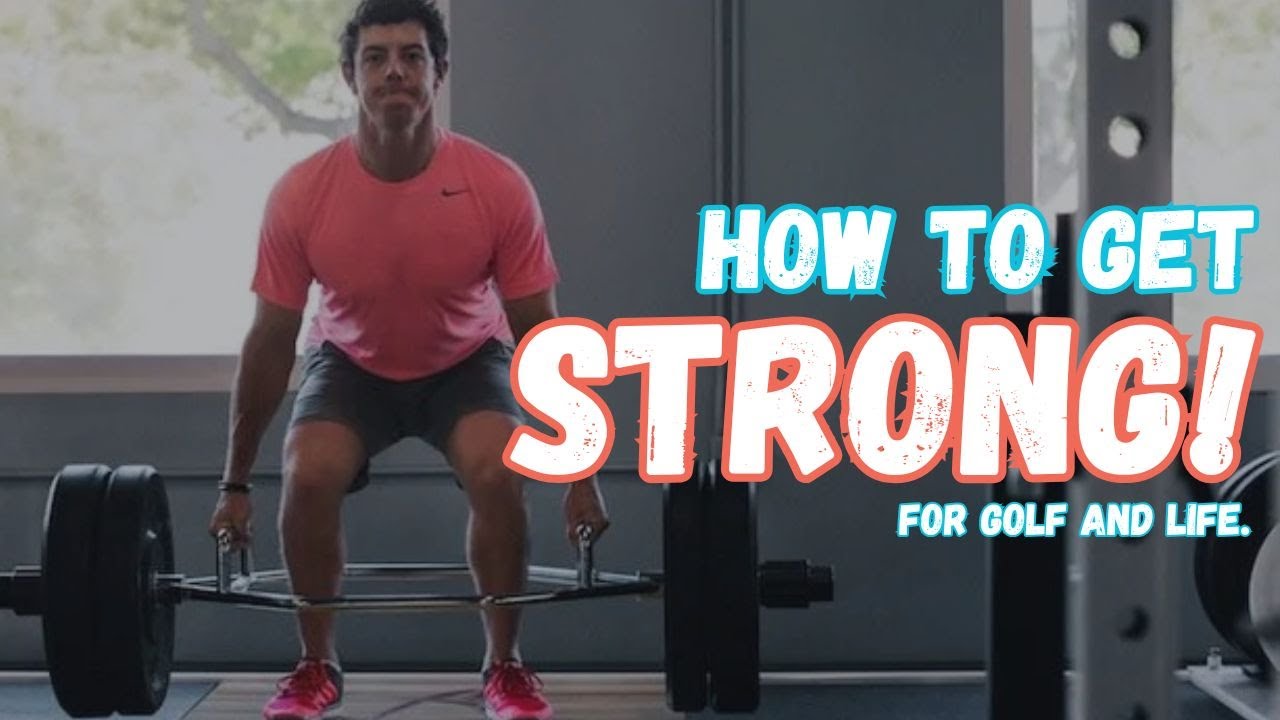
Strength Training for Golfers: What Actually Transfers to the Course
The right strength training for golfers builds power, protects against injury, and shows up in your swing. Here's what transfers — and what doesn't.
Read