
Unlocking Power and Consistency with Jon Rahm's Golf Strength Training
Jon Rahm's swing is a masterclass in adapting technique to your physique. Here's what golfers can learn from his lower body drive, explosive transition, wrist lag, and balance-first finish.
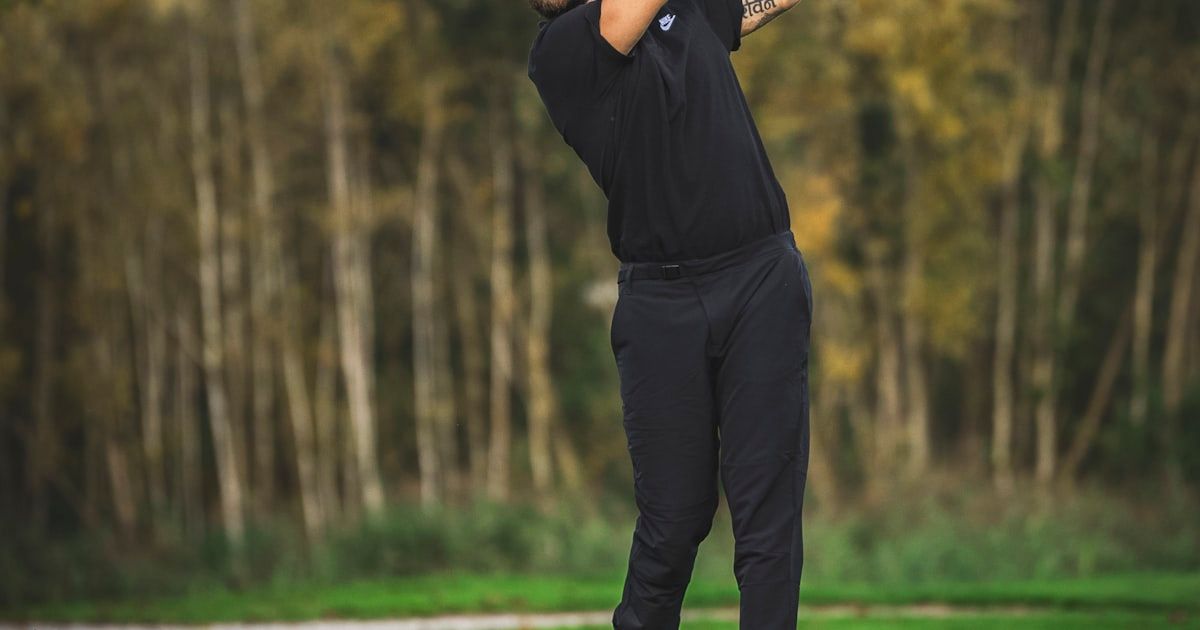
Jon Rahm's golf swing stands out for its unique blend of power and precision. While his technique reflects his individual physique, it offers valuable lessons for golfers aiming to improve their own game. Training with trainer Spencer Tatum at Tatum Human Performance, Rahm focuses on key elements: lower body strength, transition speed, wrist control, and balance.
Focus on a Strong Lower Body and Hip Rotation
One of the most notable features of Rahm's swing is his powerful lower body drive. Despite having a shorter right leg which limits his hip turn compared to many tour players, he maximizes his lower body engagement to generate significant power during the downswing.
To build this aspect of your swing, try the "Jon Rahm Drill": take the club back only about a third of the way, pause briefly, then swing through the ball as hard as possible while focusing on driving your lower body. This helps develop the feeling of initiating power from the hips rather than just the arms.
Develop a Powerful and Efficient Transition
Rahm's transition from the top of his backswing to the downswing is fast and aggressive. This quick change of direction helps him generate high clubhead speed — essential for distance.
To improve your transition, work on drills that promote a quick and decisive movement. Focus on transferring your weight smoothly from your back foot to your front foot and starting the downswing with your hips. Practicing this weight shift will help you create more speed and control in your swing.
Emphasize Wrist Lag and Control
A signature element of Rahm's swing is his bowed lead wrist at the top of the backswing. This position helps him maintain control over the clubface and create significant lag, which stores energy to be released at impact.
You can practice wrist lag with drills like the "Hogan Drill", which encourages connection between your arms and legs through impact. Keep in mind that Rahm's wrist position compensates for his unique body structure — most golfers should focus on maintaining a neutral grip and wrist position that feels natural and controlled.
Prioritize a Balanced and Stable Finish
Maintaining balance throughout the swing and finishing in a stable position is crucial for consistency. Rahm's swing ends with excellent balance, allowing him to control his shots and recover quickly.
To build this skill, practice finishing your swing in a balanced stance and hold your position for a few seconds after impact. This trains your body to stay stable and aligned, improving shot accuracy and repeatability.
Putting It All Together
Jon Rahm's golf swing shows how adapting technique to your body and focusing on key fundamentals can lead to powerful and consistent results. By strengthening your lower body, speeding up your transition, controlling wrist lag, and maintaining balance, you can improve your swing's efficiency and distance.
Try incorporating these training tips into your practice routine: start with the Jon Rahm Drill to build lower body power, add transition and wrist lag drills to refine timing and control, and finish with balance work to ensure your swing finishes strong every time.
Related Articles
How To Hit It Further — Add 5 MPH Of Swing Speed, Gain 15 Yards
Every 1 mph of clubhead speed is worth 2.5 yards of carry. Here is what produces it — smash factor, the five-link kinetic chain, and the golf swing speed training that builds both.
Read
5 Best Kettlebell Exercises for Golf Fitness
Kettlebells are one of the most effective tools for golf-specific training — they build rotational strength, hip power, and grip endurance in the same movements your swing demands.
Read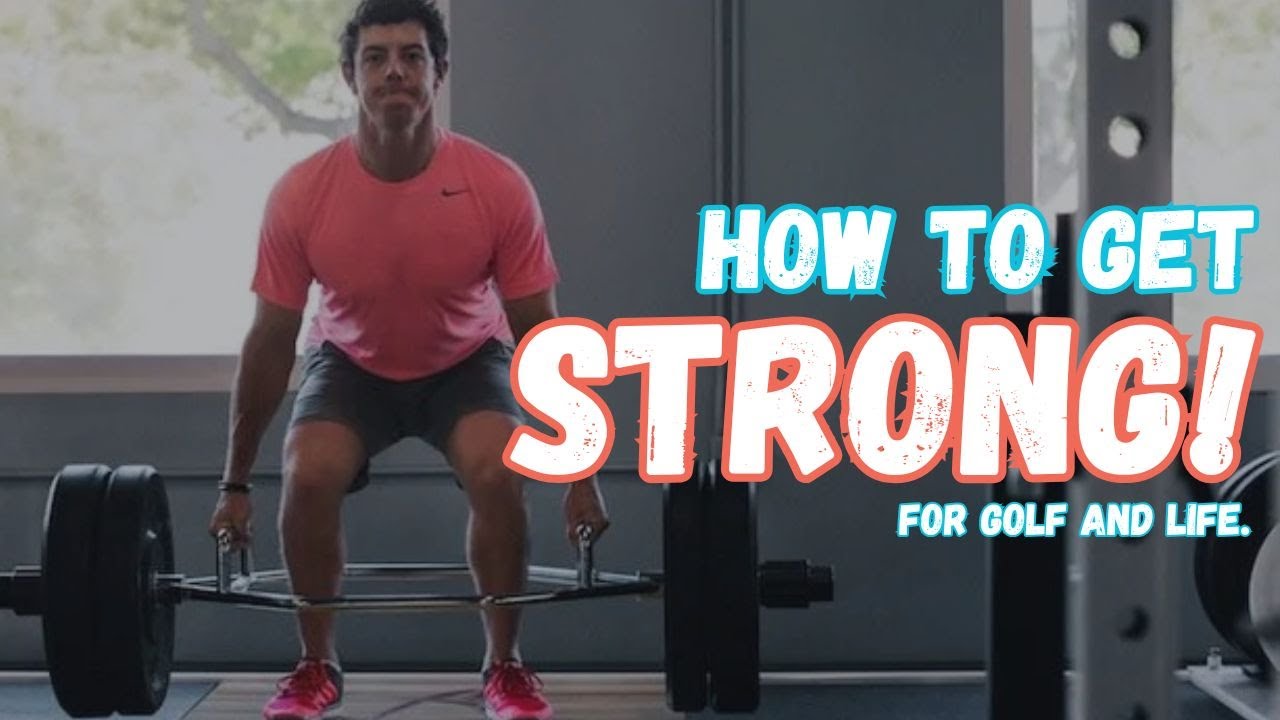
Strength Training for Golfers: What Actually Transfers to the Course
The right strength training for golfers builds power, protects against injury, and shows up in your swing. Here's what transfers — and what doesn't.
Read