
The Truth About Golf Fitness: Why Strength Training Is Essential for Injury-Free Play
The golf swing is one of the most explosive, asymmetrical movements in sports. Without proper strength training, most golfers never reach their performance potential — and many end up injured. Here's how to change that.
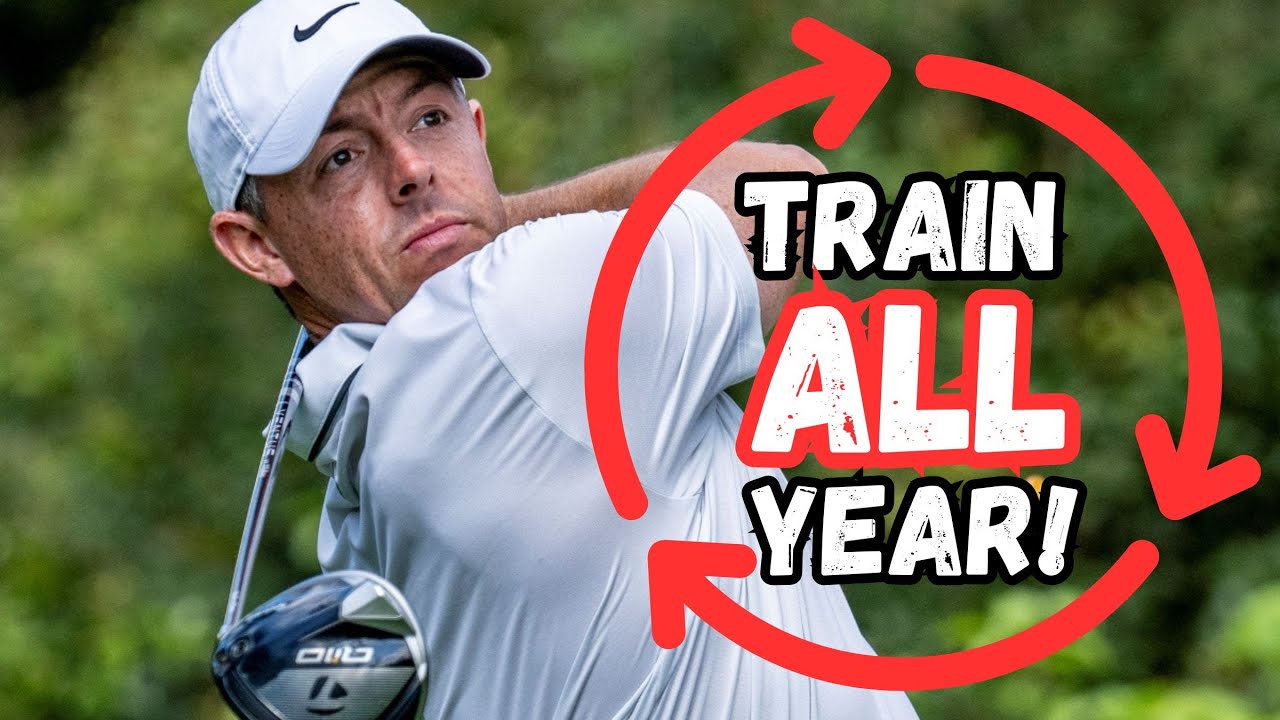
Golf may not seem like a physically demanding sport at first glance. But the golf swing is one of the most explosive, asymmetrical movements in all of athletics. Without proper physical preparation, golfers of all levels are at risk for injury — and many never reach their performance potential simply because their bodies aren't ready for what the swing demands.
Strength training isn't optional for golfers who want to play well and play often. It's the foundation for everything: swing speed, consistency, durability, and longevity.
The Physical Demands of the Golf Swing
A single golf swing involves rapid rotation of the spine, explosive loading of the hips and legs, and significant force through the arms and shoulders. Over the course of a round, that movement is repeated dozens of times — often with maximum intent.
Without adequate strength and mobility, the body compensates. And compensation is where injuries start. Common golf injuries include:
- Lower back pain from poor core stability and excessive spinal rotation
- Shoulder and elbow injuries from poor sequencing and overuse
- Hip and knee issues from limited mobility and weak lower body muscles
- Wrist injuries from improper force absorption at impact
These injuries aren't just painful — they can sideline you for weeks or months. Strength training directly addresses the root causes.
How Strength Training Protects Your Body
Building strength gives your muscles, joints, and connective tissues the capacity to handle the forces of the golf swing:
- Core stability: A strong core protects your spine and helps transfer power efficiently from your lower body to your upper body.
- Joint resilience: Strengthening the muscles around your knees, hips, and shoulders provides support and reduces strain on the joints themselves.
- Muscular balance: The golf swing is inherently one-sided. Strength training helps correct imbalances that develop from repetitive rotation in one direction.
- Tissue durability: Stronger muscles and tendons absorb force better, reducing the risk of strains and tears.
Strength Training Also Improves Performance
The benefits go beyond injury prevention. Golfers who train consistently see measurable improvements in:
- Swing speed: Stronger legs and hips generate more ground force, which translates directly into clubhead speed.
- Consistency: A stable, strong body repeats movements more reliably than a weak one.
- Endurance: Strength training builds the stamina needed to maintain focus and performance through 18 holes.
- Recovery: A well-conditioned body recovers faster between rounds and training sessions.
What Golf Strength Training Should Look Like
Effective golf strength training isn't about bodybuilding or lifting as heavy as possible. A well-designed program includes:
- Compound movements: Deadlifts, squats, lunges, and presses build total-body strength efficiently.
- Rotational training: Cable rotations, medicine ball throws, and swing-pattern exercises develop power for the golf swing.
- Core work: Planks, anti-rotation presses, and stability exercises build the foundation for every other movement.
- Mobility training: Hip, thoracic spine, and shoulder mobility ensure you can move freely and safely.
- Progressive overload: Gradually increasing weight, reps, or intensity over time drives continued adaptation.
Common Mistakes to Avoid
- Training too light: Weights that don't challenge your body won't drive adaptation. You need progressive resistance.
- Ignoring the lower body: The legs and hips are the primary power source in the golf swing. Skipping leg day means leaving speed on the table.
- Random programming: Following random workouts without structure leads to inconsistent results. A progressive program is essential.
- Neglecting recovery: Strength training creates stress the body needs time to recover from. Rest days and proper nutrition are part of the process.
The bottom line: if you want to play golf at your best and stay injury-free for years to come, strength training isn't optional. It's the smartest investment you can make in your game.
Watch
Related Articles
How To Hit It Further — Add 5 MPH Of Swing Speed, Gain 15 Yards
Every 1 mph of clubhead speed is worth 2.5 yards of carry. Here is what produces it — smash factor, the five-link kinetic chain, and the golf swing speed training that builds both.
Read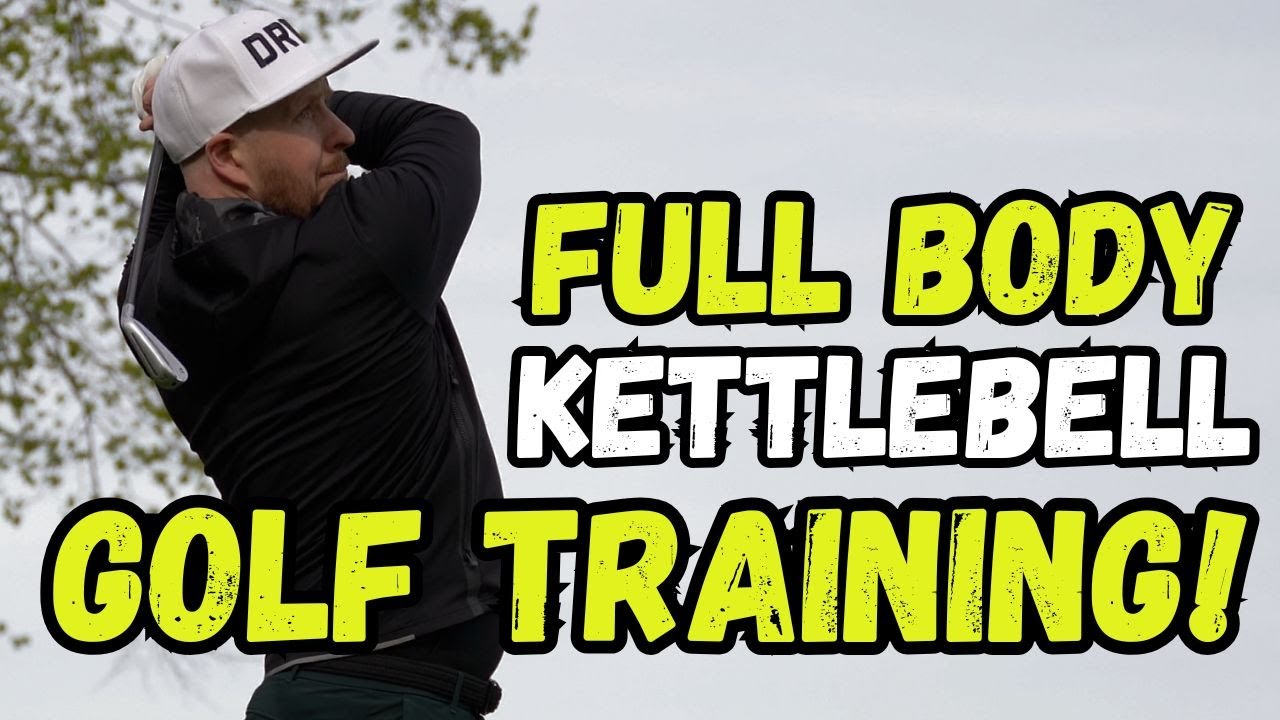
5 Best Kettlebell Exercises for Golf Fitness
Kettlebells are one of the most effective tools for golf-specific training — they build rotational strength, hip power, and grip endurance in the same movements your swing demands.
Read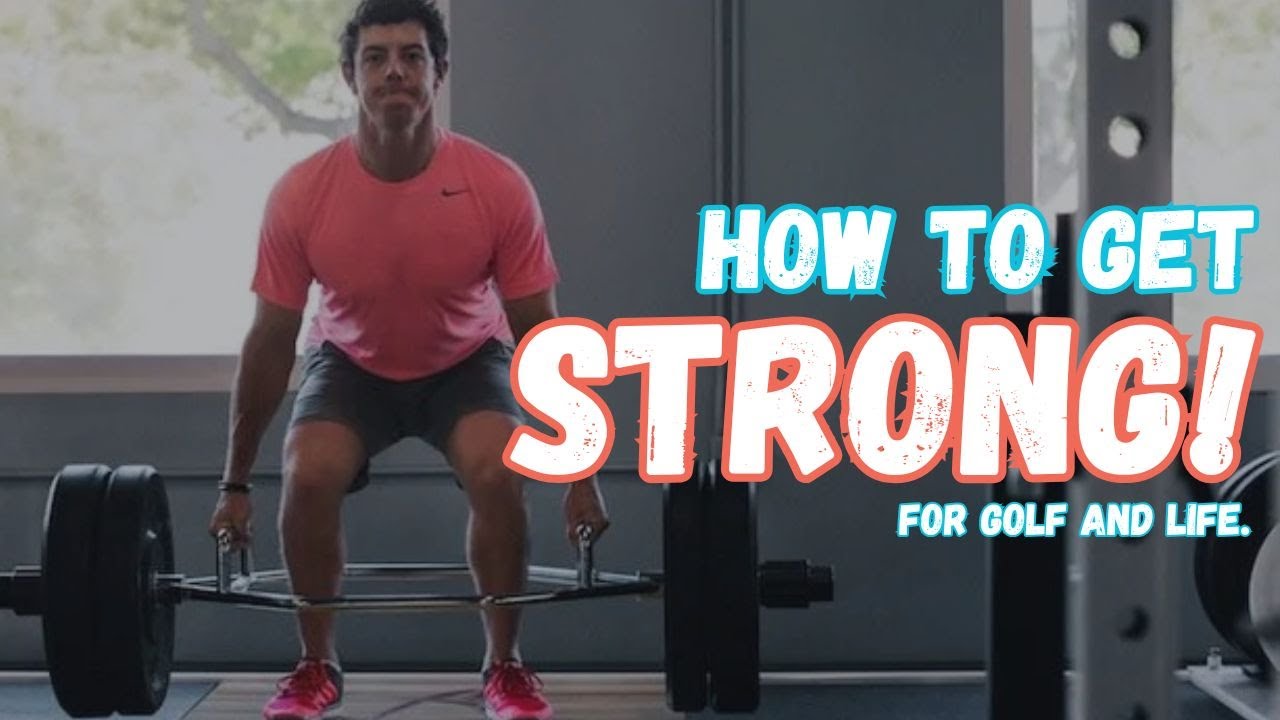
Strength Training for Golfers: What Actually Transfers to the Course
The right strength training for golfers builds power, protects against injury, and shows up in your swing. Here's what transfers — and what doesn't.
Read